Concrete Patios from Local Providers
Compare patio estimates at your pace
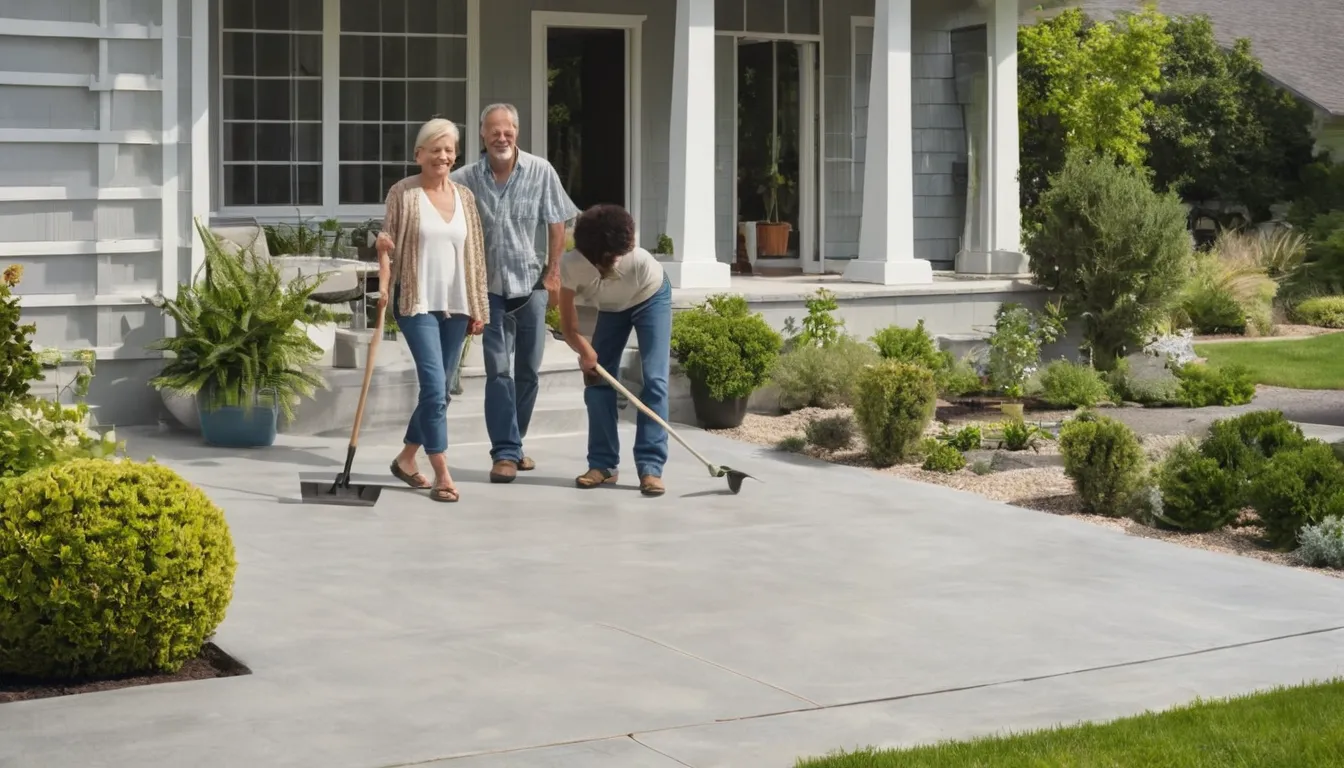
A new patio is a happy project, but it can feel like a lot the first time. Concrete is a popular choice because it is flat, sturdy, and simple to keep clean. It can be plain, colored, or stamped to look like stone.
Interpretationdad Concrete is a referral service. We do not pour concrete. We introduce you to independent providers in our network, and then you compare their estimates and decide. Nobody pushes you. If you want to go slowly, that is fine. This page walks you through timing, size, finishes, drainage, and costs so you feel ready.
Planning a Patio Before the Weather Turns?
Take a breath. A new patio is a big first project, but the steps are easy to follow. Concrete needs mild weather to cure well. Where winters are cold and snowy, the good pouring weeks are limited. Starting your search early gives you room to compare estimates without feeling rushed.
Why Timing Matters
Fresh concrete does not like hard frost. Many providers in the Taunton area book up once spring warms. If you ask around a few weeks ahead, you keep more choices open. No pressure here. You can still go slowly and decide when you are ready.
Why Homeowners Choose Concrete
Concrete is solid, flat, and easy to sweep. Chairs sit steady on it. Grills, planters, and kids on bikes all do fine. It also takes color and pattern well, so you can match it to your home.
How It Compares to Other Surfaces
Pavers can shift over the years. Wood needs staining and sometimes new boards. Gravel gets kicked around. Concrete is one smooth slab with little upkeep. It can crack, though, as any slab can. Good prep and well-placed joints lower that chance.
What a New Patio Project Includes
Most projects follow the same path. Knowing it helps you read an estimate and spot anything missing.
Layout and Site Prep
The provider marks the shape, clears the spot, and removes grass or old pavement. They check where water will go. This step sets up everything that follows.
Base and Forms
A layer of compacted gravel goes down first. Wood or metal forms hold the edges. Some jobs add steel mesh or rebar for strength.
Pouring and Finishing
The concrete is poured, leveled, and smoothed. Then the surface is finished. This is when texture, color, or stamping is added. This part moves fast, so the crew prepares well ahead.
Curing and Sealing
Concrete gains strength slowly. It needs days to cure before heavy use. Many providers offer a sealer once it is ready.
Sizing Your Patio
Think about how you will really use it. A small bistro set needs less room than a dining table for six. A common rule is about ten by ten feet for a table and chairs. Add space for a grill, and leave room to pull chairs out.
Bigger costs more, but it is hard to add later. Many homeowners walk the space with chalk or a hose first. That helps you picture it before anyone pours.
Finish Options
The surface you pick changes how the patio looks and feels underfoot. Ask providers to show samples or photos of finished work.
Broom, Smooth, and Exposed Aggregate
A broom finish has light lines that help grip when wet. Smooth looks sleek but can be slippery. Exposed aggregate shows small stones and hides small marks.
Stamped Concrete Patios
Stamped concrete patios use patterns pressed into the surface to look like brick, slate, or flagstone. Color is added, so the look can fit an older home or a newer one. It costs more than plain concrete, but it can be a lovely middle ground.
Drainage and Your Foundation
Water is the quiet issue with any patio. The slab should slope gently away from your house so rain and snowmelt do not pool by the wall. This matters most with older homes, full basements, and stone or block foundations.
If you already see cracks or damp walls, talk with foundation repair experts first. That is a separate trade from patio work. A good patio provider will still point out drainage concerns and plan the slope with care.
Choosing a Concrete Provider
The providers in our network are independent businesses. You pick who fits. A few simple questions go a long way:
- Can you show recent concrete flatwork like what I want?
- What base and thickness do you plan to use?
- How will you handle slope and drainage?
- What does the estimate include and leave out?
- How long will curing take before I can use the patio?
Comparing Written Estimates
Ask for each estimate in writing. Line them up side by side. Look at size, base, finish, and sealing, not just the total. A big gap between two numbers often means the work is not the same. If something is unclear, ask. You are allowed to compare, then decide.
Caring for Your New Patio
Good news: concrete is not fussy. A little care keeps it looking nice for years.
The First Few Weeks
Follow the provider's advice on when to walk on it and when to set furniture down. Keep heavy items off until they say it is ready. Keep sprinklers pointed away while it cures.
Winter Habits
Shovel gently with a plastic blade. Many providers advise against de-icing salts on new concrete, since they can wear the surface. Sand adds grip instead. A sealer can help against repeated frost and thaw, and it may need renewing every few years.
Ready to Take the Next Step?
You do not need every answer today. Share a few details about your yard and what you picture, and you can see how providers respond.
What's Included
Layout and Prep
The provider marks your patio shape, clears the area, and checks how water will drain away from your home.
Base and Forms
Compacted gravel and sturdy forms give the slab a stable bed and clean, straight edges.
Pour and Finish
Concrete is placed, leveled, and textured, with color or stamping added if you chose it.
Curing and Sealing
The slab rests to gain strength, then many providers add a sealer for protection.
Typical Concrete Patio Costs in the U.S.
Prices vary a lot by size, site, finish, and local labor. These are general U.S. ranges only. Always ask for a written quote so you can compare real numbers for your yard.
| Item | Typical range | Notes |
|---|---|---|
| Plain broom-finish patio (per sq ft) | $6 – $12 | Most common and simple option |
| Stamped or patterned patio (per sq ft) | $12 – $22 | Pattern and color add labor |
| Exposed aggregate (per sq ft) | $9 – $18 | Stones show on the surface |
| Excavation and gravel base | $1 – $4 per sq ft | Depends on soil and access |
| Removing old patio or pavement | $2 – $6 per sq ft | Varies with thickness and haul-off |
| Sealer and added coloring | $1 – $4 per sq ft | Often optional, may need renewing |
How It Works
Share Your Plans
Tell us the rough size, finish, and timing you have in mind. Rough ideas are enough.
Get Connected
You are introduced to independent local providers who handle patio work.
Compare Written Estimates
Look at size, base, finish, and sealing side by side before you choose.
Decide and Schedule
Pick the provider who fits, then agree on dates and details with them directly.
Why Call Interpretationdad Concrete
Compare, Then Decide
You see more than one estimate and choose with no obligation or pressure.
Local Providers
Providers in our network know cold winters, frost, and the soil in your area.
Plain Guidance
Simple explanations help first-timers understand finishes, drainage, and what belongs on an estimate.
Your Pace
Ask questions, take a week, or take a month. Deciding slowly is always fine.
Other Services
Need concrete patios in Taunton?
Planning a new driveway or patio? Request an estimate or ask a question. A local provider in our network can follow up, and there is no obligation.
Concrete Patios FAQ
How long does a new concrete patio take to install?
Most patios take a few days for prep, pouring, and finishing. Curing then takes about a week before normal use, and longer before heavy items go on. Your provider will give you a clear schedule.
How thick should a concrete patio be?
Four inches is common for patios that carry foot traffic and furniture. Heavier loads may need more. Ask each provider about thickness, base, and reinforcement, and see that it is in the written estimate.
Can I pour a concrete patio in cold weather?
It is possible with special steps, but cold can weaken fresh concrete. Many providers prefer mild weather. Ask how each one handles temperature, and be open to waiting for a better window.
Request a callback
Planning a new driveway or patio? Request an estimate or ask a question. A local provider in our network can follow up, and there is no obligation.
No obligation